

Financial wellness for every employee.

Bad financial advice is hurting workers and businesses
The lack of financial literacy, coupled with many not knowing where to turn for help, has resulted in some serious consequences. Nearly 8 out of 10 respondents have received bad financial advice. While workers say they can lean on their financial advisor and financial apps for advice, many report receiving bad advice from friends (52%), family members (51%), coworkers (43%) social media influencers (41%), and other sources. The advice people are getting is not helping their financial cause. Over half (55%) of all respondents have made financial mistakes due to bad advice. One quarter (25%) report they have made serious financial mistakes.
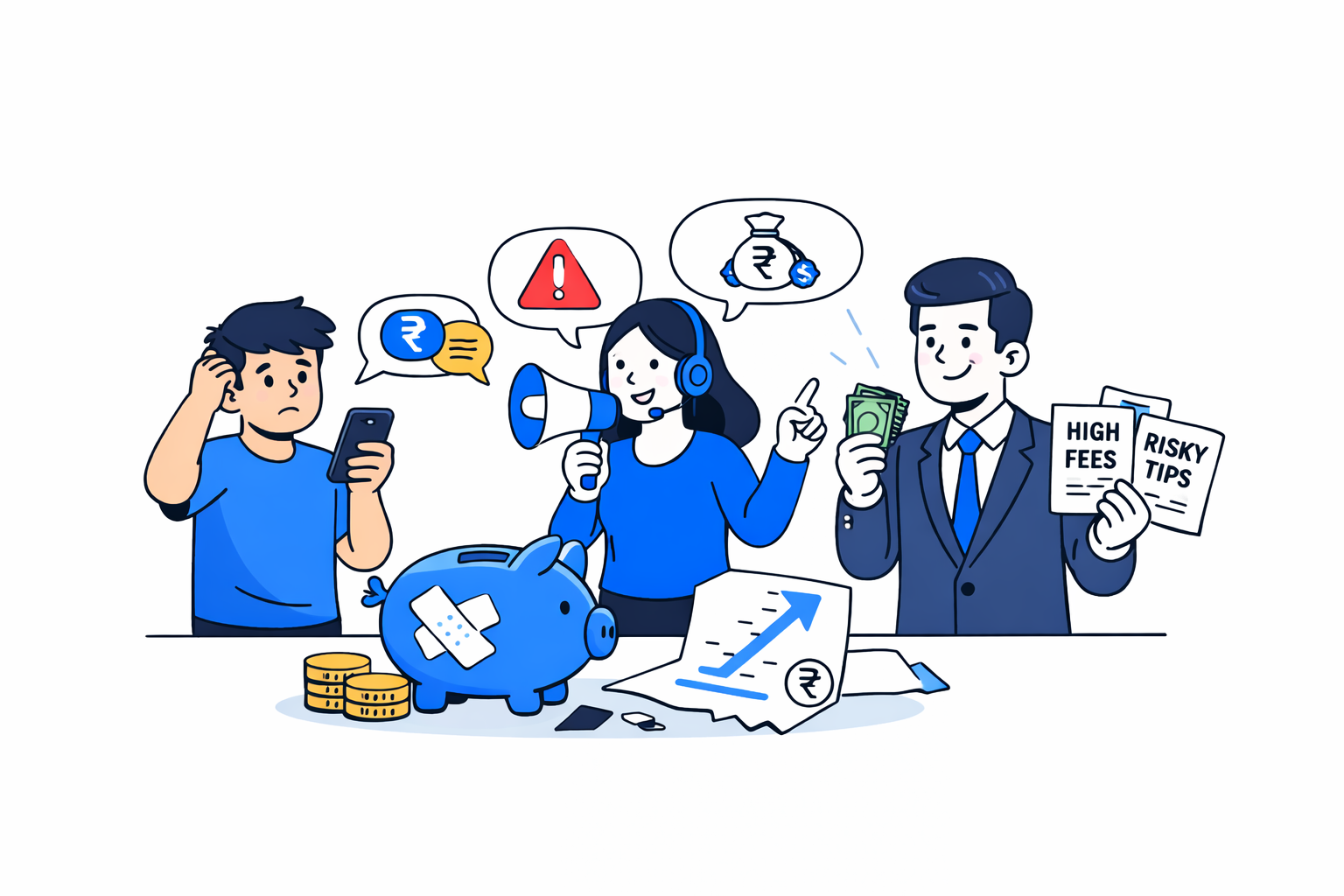
Employee Financial Literacy- Crucial in building Financial Resilience
Financial literacy helps employees navigate uncertainty, plan for the future, and reduce financial stress. For employers, investing in financial literacy supports employee well-being while also building a more productive and engaged workforce. AI and machine learning can strengthen these efforts by offering timely alerts, identifying spending patterns, and recommending more personalized financial goals. Used well, these technologies help make financial guidance more practical and actionable.
Enhancing financial literacy is not just an educational goal, but an investment in social and economic stability. Financially literate individuals are better equipped to manage money, make informed decisions, avoid unnecessary debt, and build long-term wealth. That is why educators, policymakers, businesses, and technology providers all have a role to play in helping people thrive in a complex financial world.
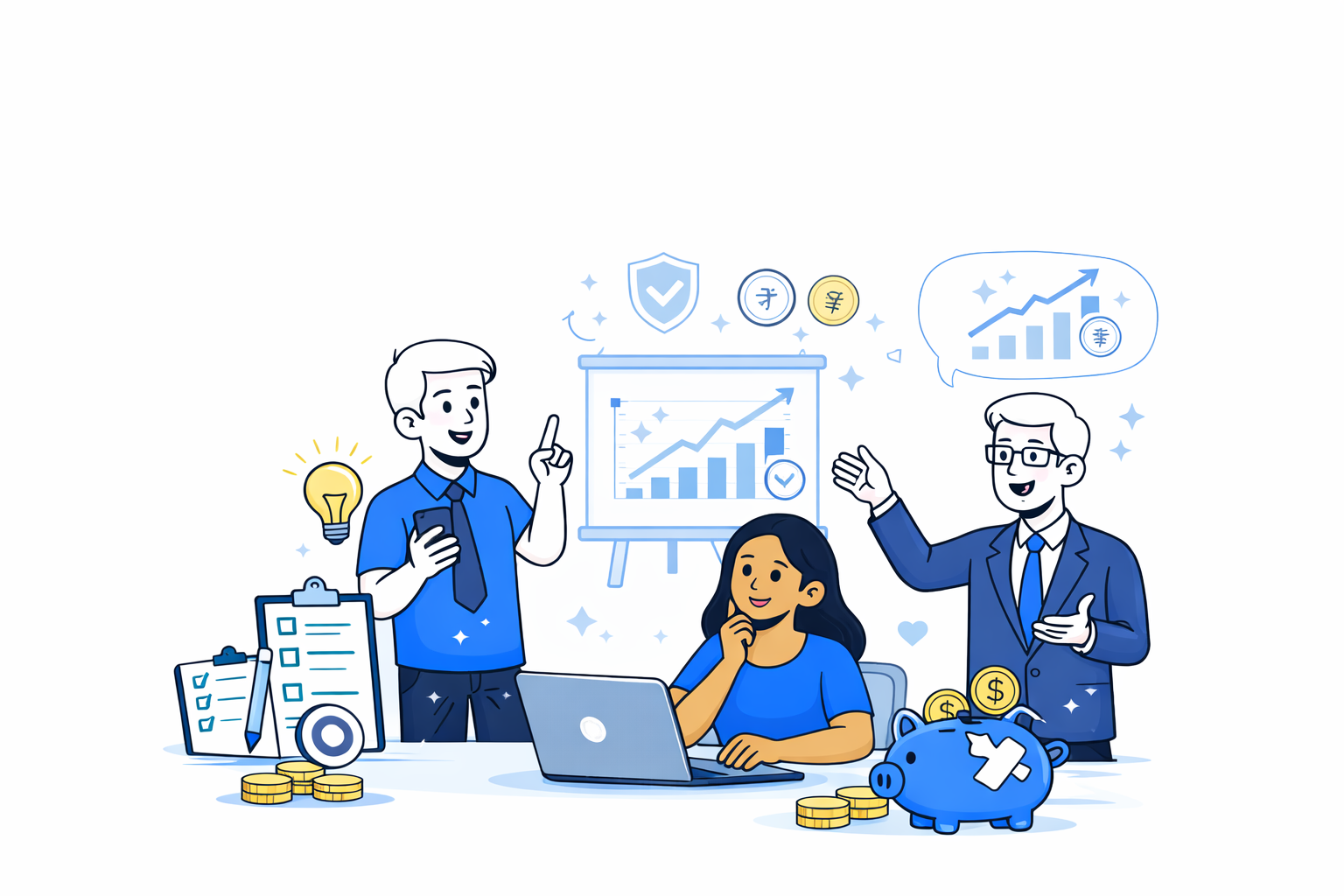
Employee Wellness – a Force to Reckon With
‘The 2023 Fortune 100 Best Companies to Work For’ enlisted Employee well-being as one of the biggest differentiators for companies. Having a psychologically and emotionally healthy workplace translated to offering a robust and holistic employee experience, which correlates directly with an organization’s ability to thrive in a recession.

Employee Experience – a Boardroom Priority
The Employee Experience concept has come a long way. A decade ago, organizations were concerned with only the bottom line. Today, especially post- Covid, priorities have shifted. Starting with the hiring process right up to the exit interview, the company values an employee’s feelings and perception. Organizations are keen on retaining top talents, especially in a competitive world. After all, a happily engaged person at work is also more productive, innovative and looks forward to staying in the organization longer.


Nobias for Employers
Nobias provides a holistic approach to financial wellness, building financial resilience with education, budgeting, goal-based saving and investing tools with no hidden agenda. No loans or commissions to profit from. Your employee is our priority!
We make it easy for your employees to access, plan, spend, and save to live today with dignity, while building financial security and savings for tomorrow leading to:
Increased employee productivity: managing their finances is distracting your employees, leading to less productivity and greater stress. Nobias can make a real difference
Improved Retention: financially stressed employees are more likely to look for new jobs. Financial wellness can increase workplace engagement by 15%
Reduced absenteeism: the average employee misses 3-4 more work days per year when they are financially stressed
Bolster recruiting: providing financial wellness shows you care about your people. 75% would consider a job change for these benefits
Decreased Financial Stress:More than 80% of people report feeling better about their finances after just one year of planning/coaching.
https://www.pwc.com/us/en/services/consulting/business-transformation/library/employee-financial-wellness-survey.html
Five Ways Employers Can Actually Close the Gap
Make real advice accessible, not just content. Webinars and articles build awareness; they rarely change behavior on their own. Pairing content with access to an actual CFP-qualified planner is what turns "I read about SIPs" into "I actually started one, allocated sensibly."
Normalize talking about money at work. Financial stress carries a stigma that keeps employees from asking for help until a crisis forces the conversation. Leaders modeling openness about using financial wellness benefits does more than any poster in the break room.
Offer 1:1 sessions, not just group content. Group workshops are a good starting point; a private session with a fiduciary planner is where someone actually gets an answer to "what should I do," rather than generic guidance they have to translate to their own numbers.
Connect financial wellness to the rest of your wellbeing strategy. Financial, mental, and physical health are linked closely enough that treating them as separate programs undersells all three.
Make it a moment, not a one-time module. A single onboarding webinar gets forgotten. Recurring touchpoints — an annual plan review, a session tied to open enrollment, a nudge around bonus/appraisal season — keep financial wellness embedded rather than checked off once and shelved.

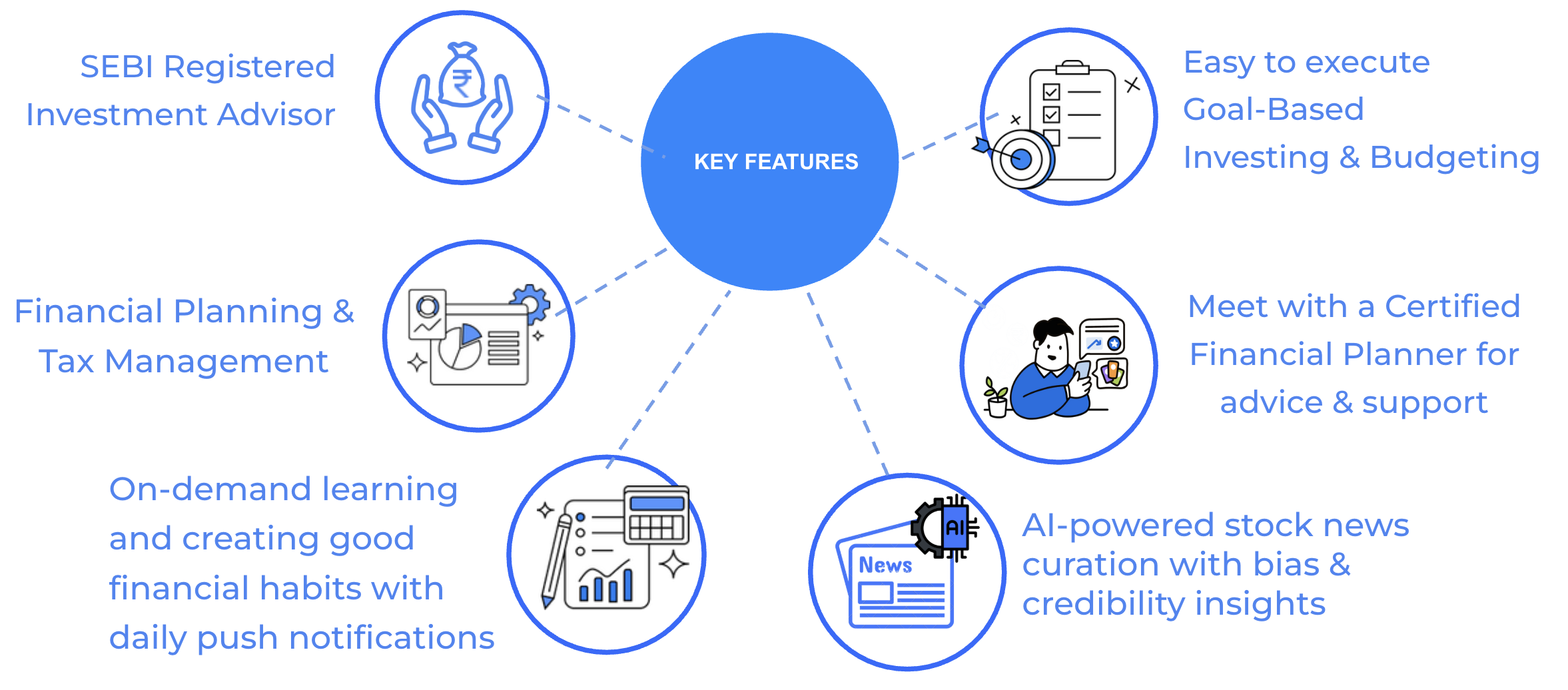
Founded in 2017 in the USA, Nobias has been dedicated to enhancing financial wellness by combating the rise of predatory financial products and misinformation online. With the launch of Nobias India, we bring our expertise to empower young employees, enabling them to navigate financial information with clarity and confidence.
Nobias India collaborates with businesses to provide a holistic financial platform and evaluation of financial products. We use the latest AI to provide information, education, and monitoring solutions. These tools are designed to equip employees with unbiased, credible, and relevant financial insights, fostering informed decision-making and promoting financial wellness.
By partnering with us, businesses can offer their employees the assurance of trustworthy information, ensuring they make smart financial choices for a brighter future.
How it works
How Nobias can help you solve employees’
#1 source of stress - their finances!
-

Plan for SMART Goals
Meet 1:1 with CFP to get a Financial Plan to achieve Specific, Measurable, Achievable, Relevant, and Time-bound goals.
-

Invest according to Plan
Invest your holdings and set up your SIPs in high-performing time-tested Index and Active funds and investible stocks.
-

Monitor & Rebalance
Set guardrails to prevent overspending, track your investments, tax harvest and rebalance if necessary to stick to your Plan.